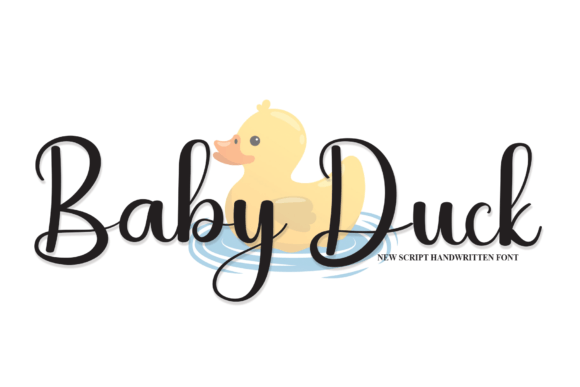
Baby Duck Font for Business Branding and Design
As a small business owner, you know how important it is to create a strong visual identity that resonates with your audience. Every detail counts, from the way your logo looks to the font on your product labels. Baby Duck, a charming and approachable script handwritten font, can help you achieve just that — blending warmth and professionalism in a way that feels both personal and polished.
Baby Duck for Wedding Invitations and Elegant Branding
If you run a boutique or event planning service, you understand the demand for beautifully designed wedding invitations. Baby Duck offers a sweet and friendly aesthetic that’s perfect for this niche. Its flowing curves and natural charm bring a handcrafted feel to digital designs, making your invites stand out in a sea of generic templates.
But Baby Duck isn’t just for weddings. The same delicate and inviting style can be used in your brand's marketing materials, from email headers to promotional cards. It adds a touch of elegance while maintaining a sense of authenticity — something that sets your brand apart in today’s fast-paced market.
Using Baby Duck in Brand Identity Materials
Script handwritten fonts like Baby Duck are ideal for businesses that want to convey warmth, creativity, and a personal touch. Think about how your branding could benefit from this kind of typography:
- Logo design: A soft script font can give your logo a welcoming and memorable vibe, especially if you're in a creative or lifestyle industry.
- Business cards: Stand out with an elegant and readable font that reflects your brand personality without being too ornate.
- Product packaging: Whether it's a handmade candle or a skincare item, Baby Duck can add a gentle sophistication to your label design.
When choosing Baby Duck as part of your brand identity, make sure it complements your color palette and overall design language. This font works best when paired with minimalist layouts or subtle textures that enhance its natural look.
Baby Duck in Social Media Graphics and Digital Ads
Your Instagram feed, Pinterest boards, and Facebook ads should reflect the same visual harmony as your physical products. With Baby Duck, you can maintain consistency across all platforms while still feeling fresh and engaging.
This script handwritten font is particularly effective in short text elements such as captions, call-to-action buttons, and quote graphics. Its fun yet professional nature makes it suitable for brands targeting younger audiences or those with a cozy, artisanal vibe.
For example, a café owner might use Baby Duck in their seasonal latte art promotions, adding a personal signature-like effect to each post. An online boutique could feature it in product titles or sale announcements, giving their listings a more curated and trustworthy appearance.
Optimizing Readability with Baby Duck
One concern many business owners have when using decorative fonts is whether they remain legible. Fortunately, Baby Duck strikes a balance between expressiveness and clarity. While it has the artistic flair of a handwritten typeface, it avoids excessive embellishments that might compromise readability.
Here are some tips to ensure Baby Duck remains clear in different contexts:
- Use it in larger sizes for headlines and logos to emphasize its beauty without sacrificing legibility.
- Limit its use in long paragraphs; instead, reserve it for accents, taglines, or key phrases.
- Test how it looks on mobile screens and printed materials before finalizing your design assets.
Baby Duck for Product Labels and Packaging Design
Handmade product sellers often rely on visual storytelling to connect with customers. That’s where Baby Duck shines. As a script handwritten font, it brings a sense of care and craftsmanship to every label and box it appears on.
Imagine a line of organic bath salts or artisanal soaps with labels styled in Baby Duck. The name of the product feels hand-picked rather than mass-produced, which builds trust and enhances perceived value. Similarly, a bakery using this font on their pastry boxes can evoke a sense of home-baked goodness through typography alone.
To maximize impact, pair Baby Duck with a clean sans serif font for supporting details like ingredients, pricing, or expiration dates. This contrast ensures readability while keeping the design cohesive and visually appealing.
Real-World Examples of Baby Duck Use
Let’s explore how different industries can benefit from using Baby Duck in their branding:
- Café owners: Add it to chalkboard-style menu signs or branded cups for a warm and inviting feel.
- Coaching businesses: Use it in motivational quotes or session reminders to build a friendly and supportive tone.
- Beauty brands: Feature it in product names or ingredient highlights to suggest a gentle, natural approach.
- Online shops: Apply it to banners, category headers, or thank-you notes to create a consistent and heartfelt experience.
Each of these examples shows how a single font can influence customer perception and reinforce your brand values.
Baby Duck for Website Banners and Creative Typography
In web design, typography plays a crucial role in guiding user attention and building credibility. Baby Duck, with its expressive yet balanced style, is well-suited for website banners, hero sections, and landing pages where you want to create a lasting first impression.
Because it’s a script handwritten font, Baby Duck feels more human and less robotic than standard sans serif or serif typefaces. This is especially valuable for brands that prioritize community, connection, and creativity.
When using Baby Duck on your site, consider the following:
- Keep it above 40px for headings to maintain legibility on smaller devices.
- Use it sparingly in body text — it’s better suited as a display or accent font.
- Ensure proper contrast against background colors for optimal visibility.
Font Pairing Ideas with Baby Duck
Combining Baby Duck with other fonts can help you create a layered but harmonious brand style. Here are a few practical font pairing combinations to try:
- Baby Duck + Lato (sans serif): For a modern and friendly web or print layout.
- Baby Duck + Merriweather (serif): To add a classic and elegant contrast to your brand visuals.
- Baby Duck + Montserrat (clean sans serif): For bold headers and simple, readable body copy.
These pairings allow you to leverage Baby Duck’s unique character while ensuring your content remains easy to read and digestible for your audience.
Baby Duck as a Display Font for Small Businesses
Display fonts are essential for creating focal points in your designs. They’re used in logos, posters, flyers, and signage — areas where you want to capture attention quickly. Baby Duck is an excellent choice for these purposes because it brings a sense of playfulness and sincerity to any message.
For instance, a greeting card shop might use Baby Duck as the headline font in their catalog, immediately setting a tone of warmth and charm. A yoga studio could incorporate it into class announcement flyers to evoke a relaxed and nurturing environment.
Remember: display fonts like Baby Duck should always serve the purpose of your design. If your goal is to create a premium and trustworthy image, choose it for accents rather than full sentences. If your brand is all about creativity and joy, go ahead and let Baby Duck shine in your main messaging.
Testing Baby Duck Before Full Integration
Before committing to Baby Duck as a core part of your brand identity, it’s wise to test it in real-world scenarios. Start by using it in one or two key pieces of your design — perhaps your social media posts or a sample product label — and observe how it looks and feels.
Ask yourself:
- Does Baby Duck align with my brand voice?
- Is it easy to read at different sizes and distances?
- Does it work well with my existing color scheme and imagery?
Gathering feedback from your team or early customers can also help you decide if Baby Duck is the right fit. Once you’re confident, you can gradually integrate it into more design elements for a unified brand presence.
Commercial Licensing and Branding Best Practices
While Baby Duck can elevate your design game, it’s important to verify its commercial licensing terms. Not all handwritten fonts are appropriate for use in merchandise, client deliverables, or digital downloads unless you purchase the correct license.
Always check the font provider’s website for information about commercial font usage. Some may require a license for anything beyond personal projects, while others offer flexible options for entrepreneurs. Ensuring compliance helps protect your business and gives peace of mind as you scale your brand’s visual output.
Once you’ve confirmed licensing, think about how to use Baby Duck strategically. Avoid overusing it in places where readability matters most. Instead, use it to highlight key brand messages, add emotional weight to your content, or differentiate your business from competitors who stick to basic sans serifs.
Why Script Handwritten Fonts Matter in Modern Branding
In today’s market, standing out is more challenging than ever. Customers are drawn to brands that feel authentic and emotionally resonant. Script handwritten fonts like Baby Duck offer a bridge between digital efficiency and human connection.
They’re not just decorative — they tell a story. When used correctly, they can transform your brand materials from generic to unforgettable. Whether you’re designing a new logo or updating your website, Baby Duck provides a reliable option that feels both stylish and sincere.
Its versatility means it can adapt to a wide range of industries and aesthetics, making it a smart investment for any small business looking to refine their typeface choices and strengthen their visual communication.
Baby Duck in Everyday Brand Touchpoints
Consistency is key to building a recognizable brand. From your storefront signage to your email newsletter headers, using Baby Duck consistently across these touchpoints reinforces your brand’s personality and helps customers remember you.
Consider these everyday uses for Baby Duck:
- Storefront signs: A welcoming sign styled in Baby Duck can invite curiosity and encourage walk-ins.
- Email subject lines: Personalize your messages with a script font that feels hand-written and genuine.
- Stickers and tags: Use it on price tags, loyalty cards, or custom stickers to maintain a cohesive brand image.
- Instagram Stories and Reels: Add Baby Duck to text overlays for a more engaging and personalized viewer experience.
By applying Baby Duck in thoughtful ways, you can craft a brand that feels both professional and personable — a powerful combination for any entrepreneur.
Final Tips for Using Baby Duck Effectively
Here are a few final thoughts to keep in mind as you experiment with Baby Duck:
- Use it in high-impact areas like logos, headers, and promotional banners.
- Complement it with a clean, neutral font for body text to maintain balance.
- Stay within the bounds of its licensing agreement, especially if you plan to use it in commercial products or services.
- Test it on various surfaces and screen sizes before finalizing your design assets.
With these strategies, Baby Duck can become a valuable part of your brand toolkit. Its sweet and friendly character makes it adaptable to many styles and industries, helping your business communicate with confidence and charm.
Choosing Baby Duck for a Trustworthy and Memorable Brand
Customers often form opinions about a brand based on how it looks. A script handwritten font like Baby Duck can help your brand feel more approachable and authentic, qualities that foster trust and loyalty.
Whether you’re launching a new product line or rebranding an established business, selecting the right font is a strategic move. Baby Duck offers a versatile and expressive solution that supports your branding efforts without overwhelming your design. It’s a premium font that fits the budget-conscious needs of small businesses while delivering big results.
Ready to bring a little extra heart into your brand? Try Baby Duck in your next project and see how it transforms your message into something truly memorable.